The Origin Story of DC Comics and the Golden Age of Comics
The History of DC Comics started when Major Malcolm Wheeler-Nicholson, already well-established in the printing industry, set up National Allied Publications and launched New Fun: The Big Comic Magazine in 1935. This was an oversized tabloid edited by Lloyd Jacquet. It worked well enough to justify the launch of another title, New Comics. Soon, the format changed (from tabloid to a more popular half-tabloid trim size) and the title too, as New Fun became More Fun Comics.
To meet the needs of this new successful venture, Wheeler-Nicholson started working with the printer and distributor Independent News, the company of Harry Donenfeld, who was also interested in investing in this new emerging market.
Ambitious, Malcolm Wheeler-Nicholson recruited editor Vince Sullivan to develop a new title, one that would be focused on only a popular theme: Detective Comics. In 1937, it was a departure from what was done before, as it was not just a collection of single-page comic strip-type stories, but a longer format. Before, four pages were the maximum for one tale. Now, it could go up to 13 pages, like with the “Slam Bradley” series by Jerry Siegel and Jo Shuster about a private detective.
Producing such a magazine demanded some money and new partners, including Donenefeld’s accountant and business manager, Jack Liebowitz, who joined the newly formed Detective Comics Inc. company. However, when Wheeler-Nicholson met some financial difficulties and declared bankruptcy, Harry Donenfeld bought Detective Comics.
The Golden Age of Comics: DC in Action
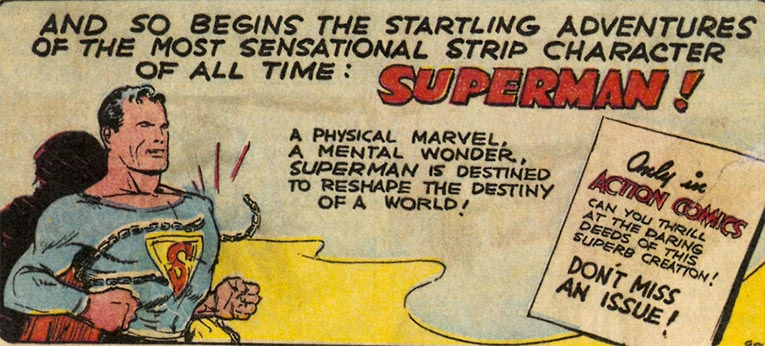
Developing a new title, Vince Sullivan commissioned Siegel and Shuster’s Superman story to fill the pages of Action Comics #1. This contract between the two creators and DC Comics will lead to a lot of legal disputes, but at the time, nothing could have suggested that the Man of Steel was going to become a cultural phenomenon, and it cost DC 130$ to buy the 13-page story.
Action Comics #1 sold out quickly and was reprinted again and again. It was the beginning of what would eventually be called the Golden Age of Comics.
Soon after, Superman got a promotion as, in January 1939, he became the star of his own newspaper daily comic strip (at the time, it was a prestigious honor). A few months later, everything Superman was reprinted in what was the first solo title for a comic book character, Superman #1.
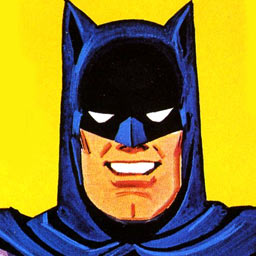
Inspired by this success, Sullivan went looking for his next hero and commissioned frequent collaborator Bob Kane to create it. He came back with a sketch of The Bat-Man. With Sullivan’s recommendation, writer Bill Finger was brought in to serve as a ghostwriter to assist Kane. Inspired by The Shadow and other pulp heroes, Batman made his debut in Detective Comics #27.
Harry Donenfeld decided to grow his comic book business with limited risks by distributing a new line of comics from Max Gaines. One of the titles he brought was Flash Comics #1, a story by Gardner Fox and Harry Lampert starring Jay Garrick, the fastest man alive, but also Hawkman, by Fox and Dennis Neville.
Fox had already created Sandman with artist Allen Bert Christman for National Comics, and soon introduced Starman with Jack Burnley and Doctor Fate with Howard Sherman. He became one of the most prolific comic book writers of his time (he produced more than 4000 stories). But Fox was not the only one working to add more heroes to the comic book world. Bill Finger collaborated with Martin Nodell on Green Lantern, starring Alan Scott. Writer Ken Fitch and artist Bernard Baily introduced Hourman. And more heroes started to appear elsewhere, like C.C. Beck and Bill Parker’s Captain Marvel for Whiz Comics.
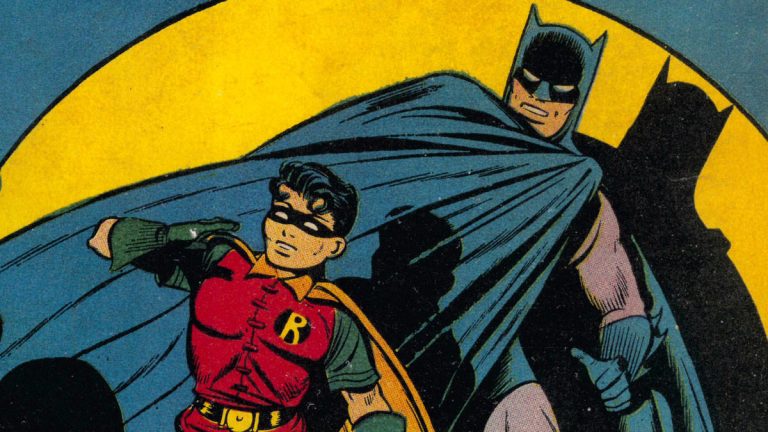
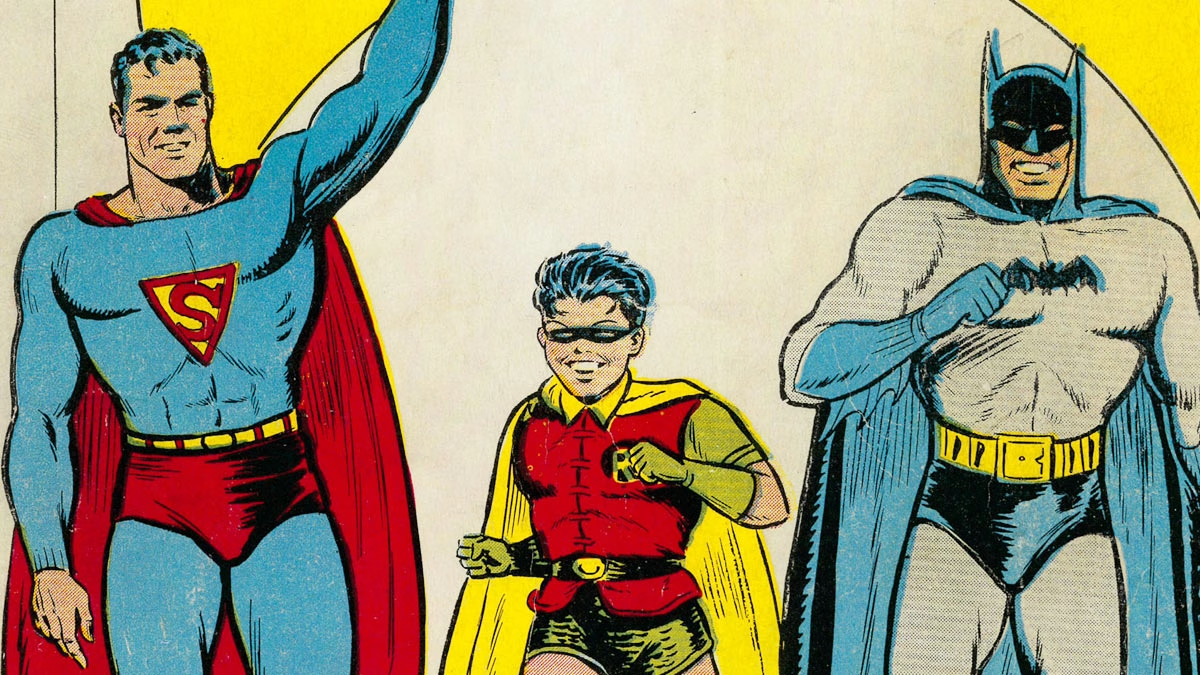
Business was growing. Superman became the star of a radio show and animated movies. DC’s logo started to appear on the cover of Action Comics (with issue #23, the one introducing Lex Luthor). Young Robin joined Batman’s crusade (in Detective Comics #38) while Catwoman and the Joker helped the Dark Knight to launch his own quarterly solo title, with Batman #1 in 1940. The following year, the first superhero team, the Justice Society of America (JSA), was launched. More heroes continued to be added to the DC Comics roster, including Aquaman and Green Arrow.
And then, one day, an article praising the importance of comics, a rare point of view at the time, led its writer, psychologist William Moulton Marston, to be invited to write for DC. Mixing his interests in mythology and women’s rights, he created in 1941 Wonder Woman with veteran artist Harry G. Peter. She first appeared in All-Star #8 before headlining Sensation Comics and her own quarterly solo title.
The War Began, The Heroes Flew Away
Everything was going well until the war started. By 1943, due to rationing and a lack of manpower, the page count per issue decreased from 64 to 48, and fewer titles appeared on newsstands. All was not grim as Batman got his own newspaper strip and a 15-chapter theatrical serial starring Lewis Wilson. New comics were still launched, such as Comic Cavalcade, All-Funny, Funny Stuff, Buzzy, All-American Comics, and more.
In the office, Max Gaines tried to gain independence, and instead was bought out by Donenfeld and Leibowitz. He went on creating EC Comics (he died soon after, in 1947, in a car accident). But there were bigger changes in the wind with all those “funny” titles, Disney Comics (published by Dell Comics), and other funny animals taking more and more space on the newsstands, pushing out superheroes.
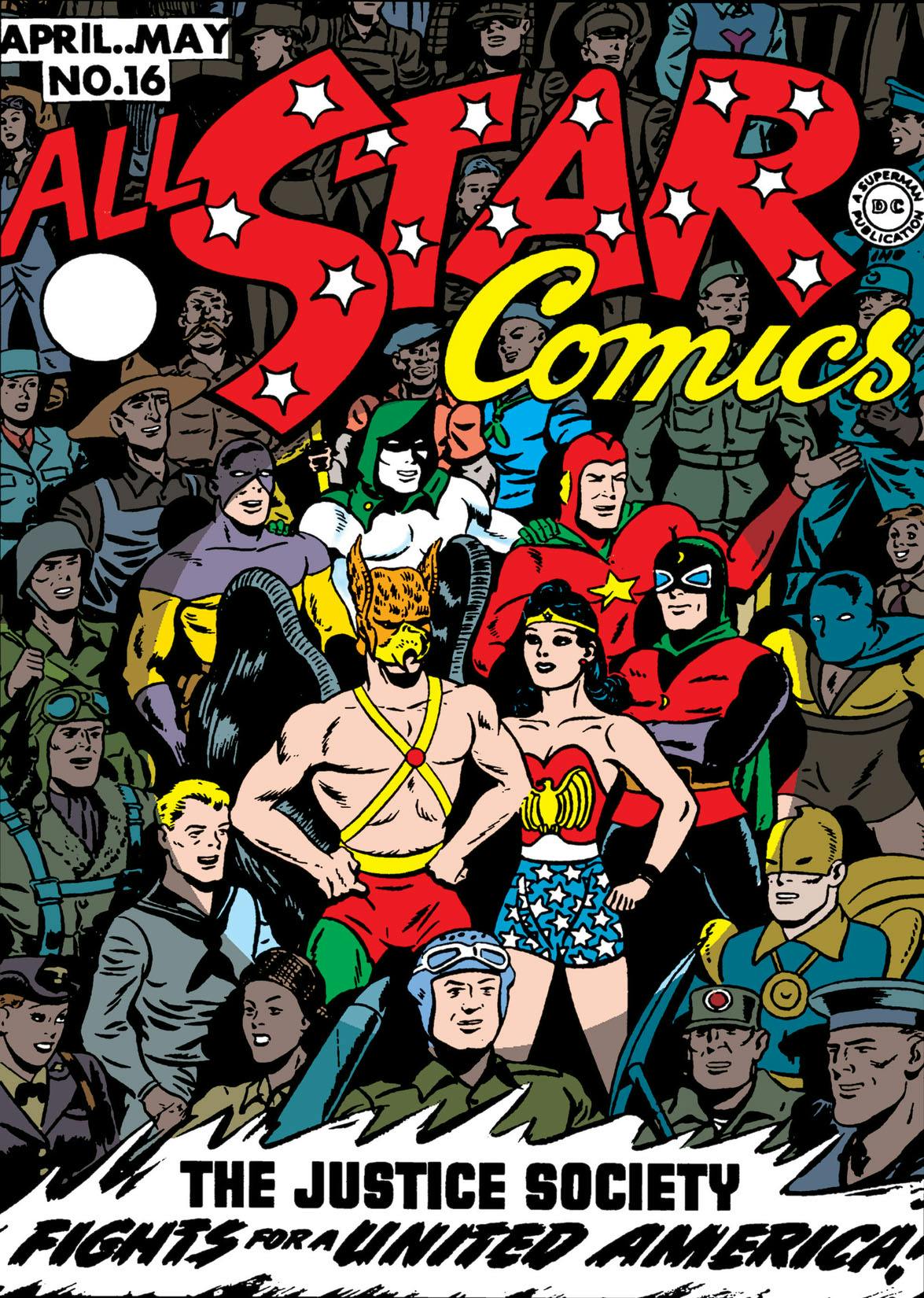
With the end of the war, the trend didn’t slow down. DC even started to acquire licences to publish comic books based on popular radio shows like A Date with Judy and Mr. District Attorney. The title that started it all, More Fun Comics, was canceled, and Western Comics was launched.
Superman was still popular, though. He was even on TV in The Adventures of Superman starring George Reeves (from 1952–1958).
War comics, romance comics, science-fiction comics, western comics, everything but superheroes were gaining ground. After the Justice Society of America disappeared in All-Star Comics #57, the Golden Age of Comics was coming to an end. The last nail in the coffin was the book Seduction of the Innocent by Dr. Frederic Wertham, published in 1954, which led to the creation of the Comics Code Authority.
Superman flew into the Silver Age of Comics…
This article was written with the help of 75 Years Of DC Comics: The Art Of Modern Mythmaking by Paul Levitz, published by Taschen.