Reading Orders

This category provides structured reading orders for DC Comics characters, events, and eras. Articles focus on what to read, in what order, and how stories connect across different continuities.

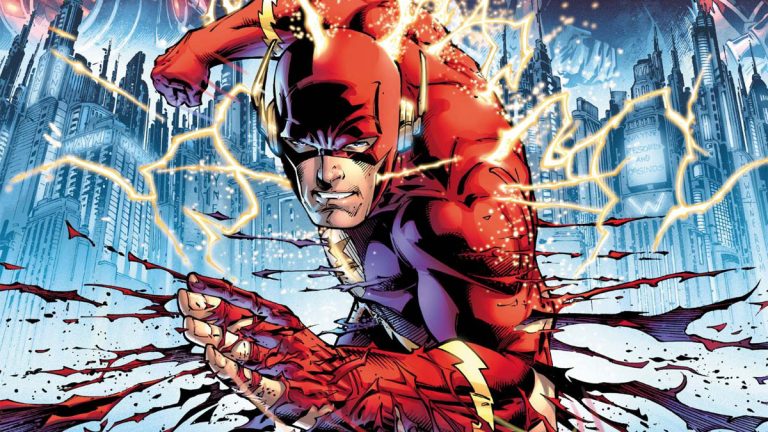
  • Flashpoint Reading Order: The End of The Post-Crisis era

    As the massive crossover event Crisis on Infinite Earths did in 1985-1986, Flashpoint put an end to another major era of the DC Universe continuity in 2011: The Modern Age. The kind of events comic book companies always teased, but rarely delivered, the ones that really changed everything.

    Written by Geoff Johns and illustrated by Andy Kubert, Flashpoint centers on Barry Allen, the freshly returned Silver Age Flash, who wakes up in a world he doesn’t recognize. In this fractured reality, the Justice League was never formed, Superman is a prisoner of the state, and a genocidal war between Atlantis and Themyscira has brought humanity to the brink of annihilation.

    It’s not just another event to file in the DC Casebook, it’s the one that closed the book on the Post-Crisis era (1986-2011). Published as a five-issue limited series in 2011, it paved the way for the line-wide reboot known as the New 52.

    Read More “Flashpoint Reading Order: The End of The Post-Crisis era”
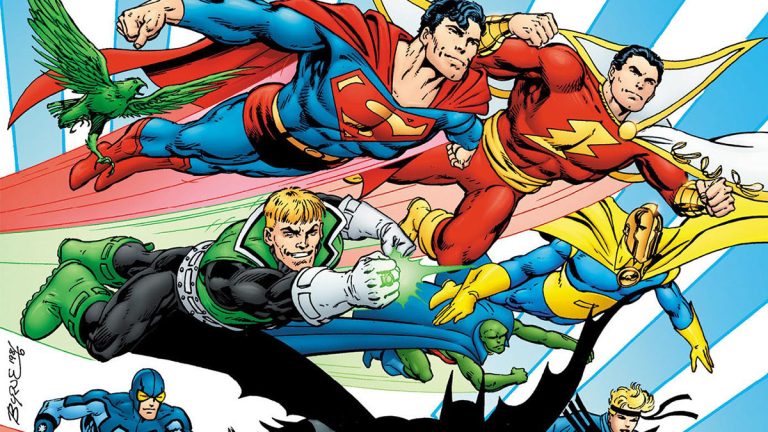
  • Millennium (1988) Reading Order: No man escapes the Manhunters during this Weekly Crossover event

    Following the line-wide restructuring initiated by Crisis on Infinite Earths and the subsequent relaunch momentum of Legends, DC Comics introduced Millennium as its next major crossover event. I’m sure readers today may feel the use of the word “major” as an overstatement and, in the overall history of the DC Comics universe, I would certainly concur. Nevertheless, as a publishing initiative, this one was ambitious for the time. Published as an eight-issue weekly limited series between January and February 1988, the project represented one of DC’s most coordinated line-wide efforts of the decade, with extensive crossover chapters running through 45 issues of DC’s ongoing titles.

    Written by Steve Englehart and illustrated primarily by Joe Staton, Millennium centered on the Guardians of the Universe and the revelation that the ancient robotic Manhunters had secretly infiltrated Earth for centuries. The event introduced the “Millennium Week” banner across DC’s publishing line, with individual issues revealing long-standing supporting characters as sleeper agents, an approach that reoriented the DC Universe toward themes of distrust, conspiracy, and institutional corruption.

    Positioned as both a cosmic epic and a paranoid thriller, Millennium marked a tonal shift from the post-Crisis optimism of 1986 to a narrative climate defined by hidden enemies and systemic infiltration. It remains the definitive story of the Manhunter cult’s attempt to thwart the evolution of the “Chosen” ten.

    Read More “Millennium (1988) Reading Order: No man escapes the Manhunters during this Weekly Crossover event”
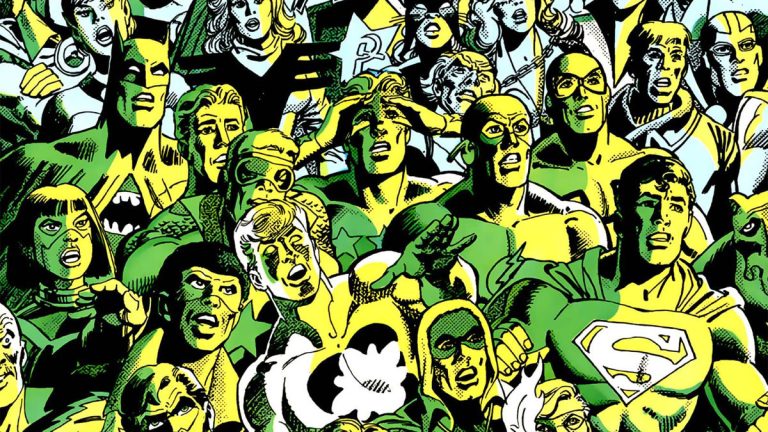
  • Legends (1986) Reading Order: The First Post-Crisis Crossover

    In 1986, DC Comics was fresh off the success of Crisis on Infinite Earths. It was a new era with a rebooted universe. After that, the question was: What next? The answer seems to have been “another crossover event.”

    Before we got the Legends we know today, there was “Crisis of the Soul.” This scrapped 12-issue project was designed to show a world turning on its heroes through spiritual corruption. Though canceled after months of development, some of his ideas survived. In August 1986, editor Mike Gold and a star-studded creative team launched Legends. It wasn’t a sequel to Crisis, but an “introduction” to the modern DC Universe.

    Read More “Legends (1986) Reading Order: The First Post-Crisis Crossover”